Glacial Silence: Navigating the Edge of Patagonia
A dispatch from the southern frontier where granite needle spires, subpolar winds, and calved blue ice converge.
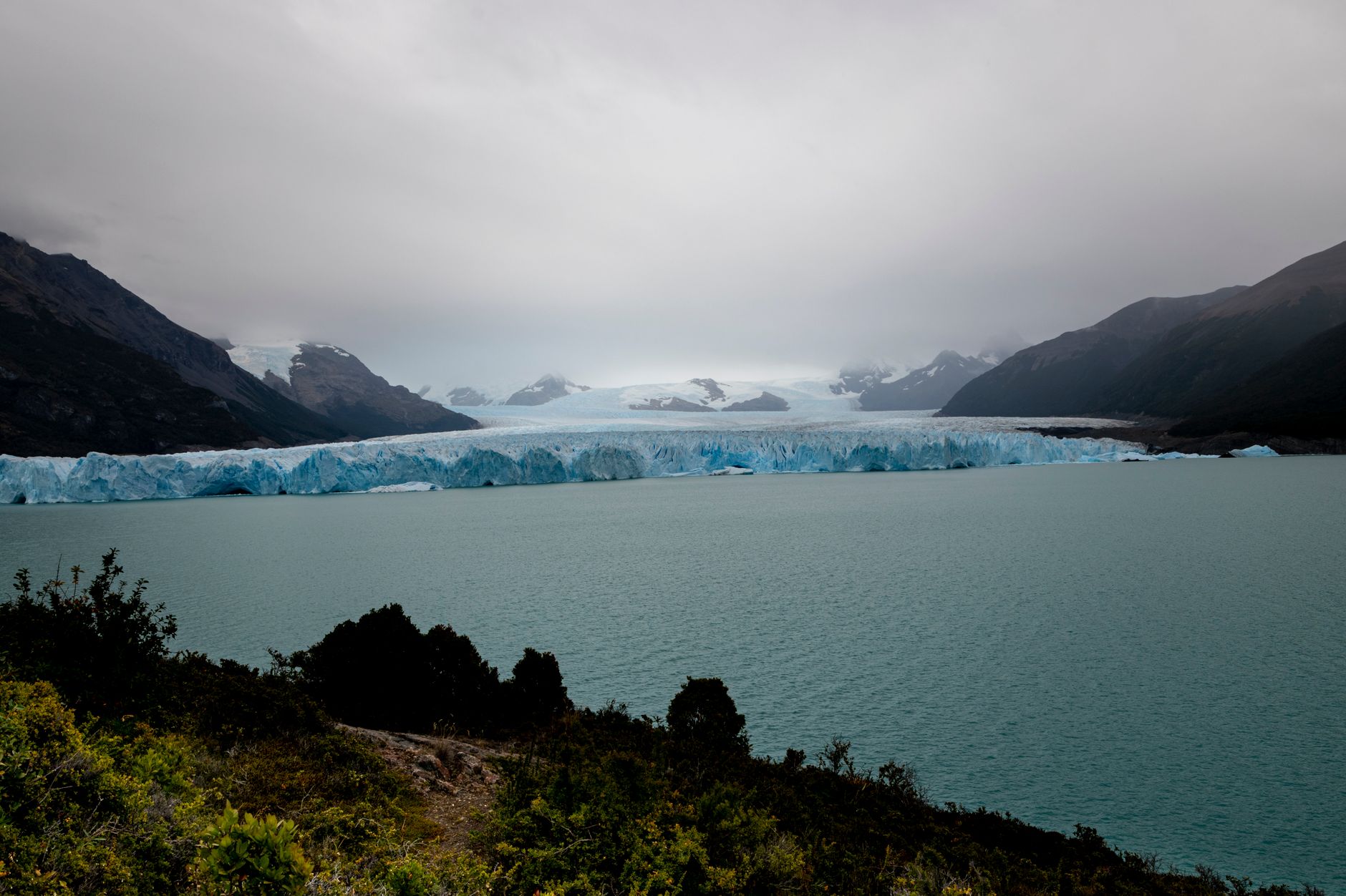
Table of Contents
1. The Anatomy of Subpolar Air
The wind in Patagonia is not merely a weather condition; it is an active geographic protagonist. Sweeping unobstructed across thousands of leagues of Antarctic ocean, it strikes the granite horns of Torres del Paine with acoustic fury. When winds subside into temporary calm, however, the silence is so heavy that the fluttering wing of an Andean condor echoes across the canyon wall.
Traversing these expanses requires humbling oneself before scale. Every granite tower has been carved by millennial ice pressure, rendering human timetables pleasantly insignificant.
2. Deep Blue: The Density of Century-Old Ice
Approaching Glacier Grey aboard an expedition dinghy reveals spectrums of indigo unreachable in industrial pigment. This cobalt luminescence is the result of extreme compression: centuries of accumulated snowfall squeeze air bubbles from the ice matrix, absorbing red wavelengths of light and scattering intense blue.
"In these terminal latitudes, beauty is rigorous, stripped of ornamental comfort, demanding acute mindfulness."
3. Solitude as Mental Architecture
Without cell signal or commercial noise, traveler consciousness resets. Walking eight hours through beech forests (lenga) draped with lichen forces presence. Discomfort becomes information; weather shifts teach flexibility.
4. Technical Gear & Wilderness Preparation
- Layering Strategy: Utilize 260g merino wool base layers accompanied by windproof hard-shell membrane jackets rated for 28,000mm hydrostatic head.
- Leave No Trace: Pack out every trace of personal waste to safeguard fragile subalpine moss ecosystems.
- Respecting Rangers: Always adhere to CONAF trail conditions and bridge warnings throughout the southern national parks.